 (713) 965-7200
 Cybersecurity Stats and the True Cost of Cyberattacks


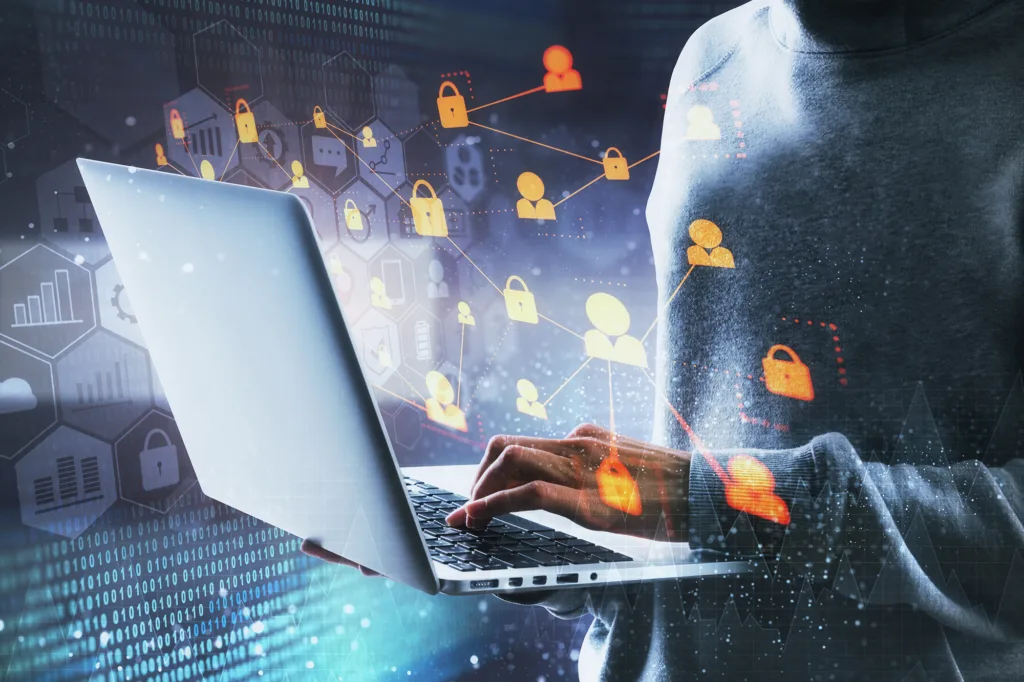
Cybersecurity is no longer just an IT concern. It’s a business risk that affects operations, finances, and long-term growth. As organizations become more reliant on digital systems, the scale and sophistication of cyber threats continue to grow.
For many businesses, the impact of a cyberattack isn’t fully understood until it happens. Downtime, lost data, regulatory consequences, and reputational damage can all compound quickly. And while headlines often focus on large enterprises, small and mid-sized businesses, including law firms, are increasingly targeted.
Understanding cybersecurity statistics and the associated costs provides valuable context. It highlights not just how common these threats are, but how significant their impact can be.
The Current State of Cybersecurity: Key Statistics
Cybersecurity threats have grown both in frequency and complexity over the past decade. The data reflects a clear trend: attacks are increasing, and businesses of all sizes are at risk.
Cyberattacks Are Becoming More Frequent
Cyberattacks are no longer rare events. Organizations face constant threats from automated attacks, phishing campaigns, and ransomware attempts.
- Businesses experience thousands of cyberattack attempts daily.
- Ransomware attacks continue to increase year over year.
- Phishing remains one of the most common attack methods.
These numbers reflect a shift toward persistent, ongoing threats rather than isolated incidents.
The Cost of a Data Breach Continues to Rise
One of the most important benchmarks in cybersecurity is the cost of a data breach.
- The global average cost of a data breach is approximately $4.44 million.
- In the United States, that number rises to over $10 million per breach.
- Some industries experience even higher costs depending on the sensitivity of data.
These figures represent not just immediate expenses, but the total impact of downtime, recovery, legal costs, and lost business.
Small and Mid-Sized Businesses Are Prime Targets
There is a common misconception that cybercriminals only target large corporations. For law firms and professional services organizations, this makes cybersecurity a critical priority rather than an optional investment. In reality:
- A significant percentage of cyberattacks target small and mid-sized businesses.
- Many smaller organizations lack advanced security measures.
- Attackers often see these businesses as easier entry points.
Human Error Remains a Leading Cause of Breaches
Technology alone does not eliminate risk. Human behavior continues to play a major role in cybersecurity incidents.
- Phishing emails trick employees into revealing credentials.
- Weak passwords create vulnerabilities.
- Accidental data exposure can lead to breaches.
This highlights the importance of not just tools, but also processes and oversight.

Breaking Down the Cost of Cyberattacks
The financial impact of a cyberattack goes far beyond immediate technical fixes. Many costs are indirect and can affect a business long after the incident itself.
1. Downtime and Lost Productivity
When systems go offline, employees lose access to the tools they need to work.
- Legal teams may be unable to access case files
- Communication systems may be disrupted
- Billing and administrative processes may pause
Even a few hours of downtime can result in significant productivity loss, especially for firms that rely on billable hours.
2. Data Recovery and Technical Response Costs
After an incident, businesses often need to:
- Restore systems and data
- Conduct forensic analysis
- Implement new security measures
These activities require time, expertise, and financial resources. Without proper preparation, recovery can take days, or even longer.
This is why solutions like data backup and recovery services play a critical role. Having reliable backups in place allows businesses to restore data quickly instead of rebuilding systems from scratch.
3. Legal and Compliance Costs
For organizations handling sensitive information, a breach can trigger legal and regulatory consequences.
- Investigations and audits
- Potential fines or penalties
- Legal fees related to data exposure
Law firms, in particular, must maintain strict confidentiality standards. A breach can create both financial and ethical concerns.
4. Reputational Damage
One of the most difficult costs to quantify is reputational impact.
Clients trust law firms and professional services organizations with sensitive information. A security incident can erode that trust and affect long-term relationships. Rebuilding brand and confidence can take time and may impact future business opportunities.
5. Long-Term Operational Impact
Cyber incidents often lead to long-term changes in how businesses operate.
- Increased insurance premiums
- Additional security investments
- Process and policy changes
These ongoing costs can continue long after the initial incident is resolved.
Why Prevention Is More Cost-Effective Than Recovery
When evaluating cybersecurity investments, businesses often compare the cost of prevention against the potential cost of a breach.
Data consistently show that proactive security measures are more cost-effective than reactive responses.
Preventative strategies include:
- Continuous system monitoring
- Regular updates and patch management
- Threat detection and response
- Secure data backup systems
Working with a provider like Digital Crisis that offers cybersecurity services helps ensure these protections are implemented consistently and effectively. Instead of reacting to threats after they cause damage, businesses can reduce risk and maintain operational stability.
How Cybersecurity Services Reduce Risk and Cost
Cybersecurity is not a single solution; it is an ongoing process that requires monitoring, management, and continuous improvement.
Professional cybersecurity services help businesses:
- Detect threats early before they escalate
- Maintain system security through regular updates
- Monitor networks and endpoints continuously
- Respond quickly to suspicious activity
By reducing the likelihood of successful attacks, these services help prevent the financial and operational impact outlined earlier. For many organizations, this proactive approach provides both cost savings and peace of mind.
The Role of Managed IT in Cybersecurity
Cybersecurity does not exist in isolation. It is closely tied to overall IT infrastructure and system management.
Managed IT services play a key role in:
- Maintaining system performance
- Applying updates and patches
- Monitoring network activity
- Supporting security protocols
This integrated approach ensures that cybersecurity is not treated as an add-on, but as a core part of technology management. Businesses that combine managed IT with cybersecurity solutions are better positioned to prevent disruptions and maintain continuity.

Preparing for the Inevitable: Cyber Risk Is Not Optional
Cyber threats are a reality for modern businesses. The statistics make it clear that no organization is completely immune. The question is not whether a business will face cyber risks, but how prepared it is to handle them. With the right strategy in place, businesses can reduce their exposure and respond more effectively when incidents occur.
The preparation involves:
- Understanding the risks
- Implementing preventative measures
- Ensuring recovery capabilities
Strengthening Your Business Against Cyber Threats
Cybersecurity is an investment in stability, trust, and long-term growth. The costs of a breach—financial, operational, and reputational—can be significant, but they are also largely preventable with the right approach.
By combining proactive monitoring, strong security practices, and reliable recovery solutions, businesses can protect their systems and maintain continuity even in the face of evolving threats.
Digital Crisis works with businesses and professional organizations to provide cybersecurity, managed IT, and data protection solutions designed to reduce risk and support ongoing operations.
If you’re looking to better understand your cybersecurity posture and reduce your exposure to costly threats, contact Digital Crisis today for a consultation and find out the next step toward a more secure and resilient environment.