 (713) 965-7200
 The New Era of Vishing: Protecting Your Firm from AI Voice Cloning


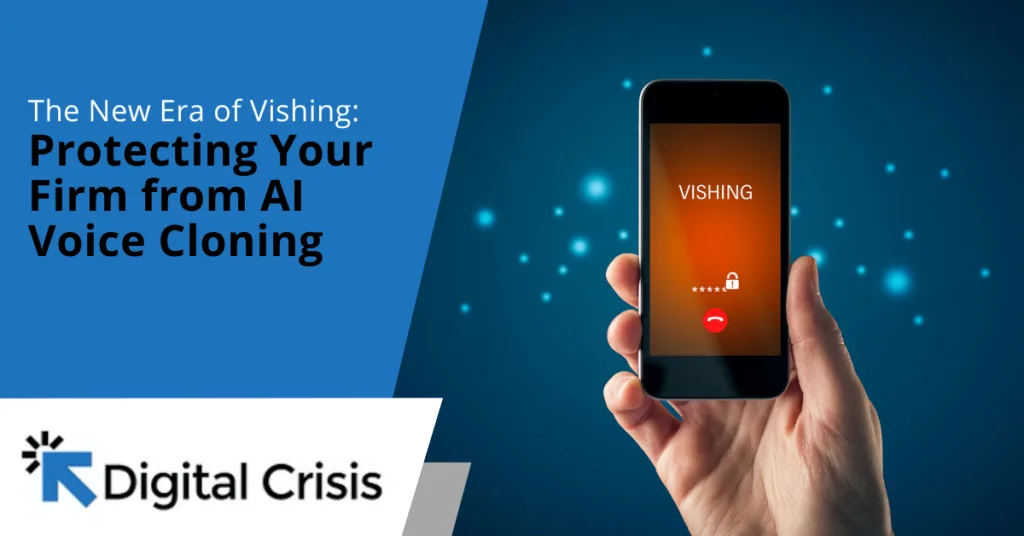
Are you finding it harder to tell legitimate calls from scams? Do you worry that a familiar voice could trick your team into revealing client information or approving a payment? Understanding AI voice cloning is more important than ever. Cybercriminals can now clone voices in seconds, using them to target law firms. These calls often sound remarkably real, and just one convincing call can put your firm’s reputation, and client trust, at risk. The good news: you can stop these attacks before they cause harm. Our team has developed a step-by-step guide to help you recognize and defend against AI-driven vishing attempts. Implement a strict, non-negotiable process for verifying any call that involves sensitive information. Requests related to payments, banking changes, access credentials, or client data should always be confirmed through a second channel, such as: Calling back a known number from your internal directory Confirming the request via email Verifying the caller’s location Asking follow-up questions based on previous conversations Verification should apply to all staff, including partners and executives. When everyone follows the same rules, it reduces the risk of rushed decisions during high-pressure calls. New AI tools are constantly emerging, making cyberattacks increasingly sophisticated. These tactics are evolving to sound more convincing, realistic, and harder to detect. If your team’s training only covers older threats, they may not recognize the latest AI-driven vishing attempts. Your training program should explain how AI voice cloning works and highlight key red flags, including: Calls that create urgency or pressure employees to bypass standard procedures Unusual requests for payments or client information Audio inconsistencies, such as awkward pauses or delayed responses, indicating real-time AI-generated speech Language or phrasing that differs from how the person normally speaks Unsolicited calls that claim to be from a client or partner bank, particularly when no prior request was made Most importantly, walk employees through simulated scenarios based on current AI threats. This helps them verify requests, detect fraud quickly, and identify gaps so you can strengthen training before a real incident occurs. AI voice cloning depends on available audio samples. Law firms often provide these unintentionally through webinars, conference recordings, podcasts, voicemail greetings, and social media videos. While public visibility is valuable, unrestricted access to voice data increases the risk of impersonation. A 2025 Consumer Reports investigation found that many major voice-cloning services lack safeguards to prevent misuse, making it easier for attackers to collect audio and impersonate executives. To reduce risk, consider: Reviewing where partner and executive voices appear online and limiting unnecessary exposure Shortening voicemail messages and restricting downloadable recordings Tightening privacy settings on professional and social platforms Monitoring what personal or operational details are publicly shared, including staff roles, internal processes, or financial workflows A recent study found that roughly one in four adults worldwide has encountered an AI voice scam, with 77% of victims reporting financial losses. To protect your firm, no single employee should have full authority to act on high-risk phone requests. Even if a call seems legitimate, staff should escalate requests to a second approver or designated security contact. This approach safeguards both the firm and individual employees. It prevents attackers from targeting junior staff or administrative teams and ensures that sensitive requests are reviewed before any action is taken. Employees also know exactly who to contact and what steps to follow, reducing confusion during urgent or high-pressure situations. Even with strong preventive measures, some attacks may still reach your team. A documented incident response plan ensures quick, coordinated action when a suspicious call is detected. Employees will know how to report suspected AI voice cloning attempts and what steps to take immediately. Actions may include: Freezing transactions Alerting leadership Notifying IT or security teams Contacting banks or vendors Blocking compromised accounts Documenting the incident The plan should be regularly tested through simulated calls, so everyone understands their role. This preparation helps limit potential damage and speeds recovery when an attack occurs. Law firms handle sensitive client information and manage significant financial transactions every day, making them prime targets for AI-driven vishing attacks. Yet many firms underinvest in cybersecurity, leaving themselves vulnerable to financial loss and data breaches. At Digital Crisis, we help law firms strengthen their digital defenses with tailored cybersecurity solutions. Our services include AI threat awareness, employee training, strict verification protocols, and incident response planning, ensuring your firm stays protected and compliant with industry standards. Contact us today to schedule a consultation with our security experts. AI-driven vishing is a type of phone scam where attackers use artificial intelligence to clone voices and impersonate trusted individuals. Law firms are targeted because they handle sensitive client information and confidential case details. Employees should immediately pause, avoid sharing any sensitive information, report the call to a designated internal contact, and follow the firm’s incident response plan. While some advanced tools can analyze audio for signs of manipulation, human verification and strict protocols remain essential. Combining technology with employee vigilance provides the strongest defense. Failing to protect client data can lead to regulatory penalties and lawsuits. This not only jeopardizes your firm’s reputation but can also result in significant financial and operational consequences.How to Protect Your Law Firm from AI Voice Cloning
Establish Call Verification Protocols
Keep Training Current Against AI Threats
Limit Public Exposure of Voices and Sensitive Information
By minimizing the information available, you make it much harder for attackers to create convincing AI-driven calls.
Internal Approval and Escalation Controls
Have an Incident Response Plan
Protect Your Law Firm Against AI-Driven Vishing
Article FAQs
What is AI-driven vishing, and why are law firms targeted?
What steps should employees take if they suspect a vishing attempt?
Can AI voice cloning be detected with automation?
What are the legal implications if a vishing attack compromises client data?