 (713) 965-7200
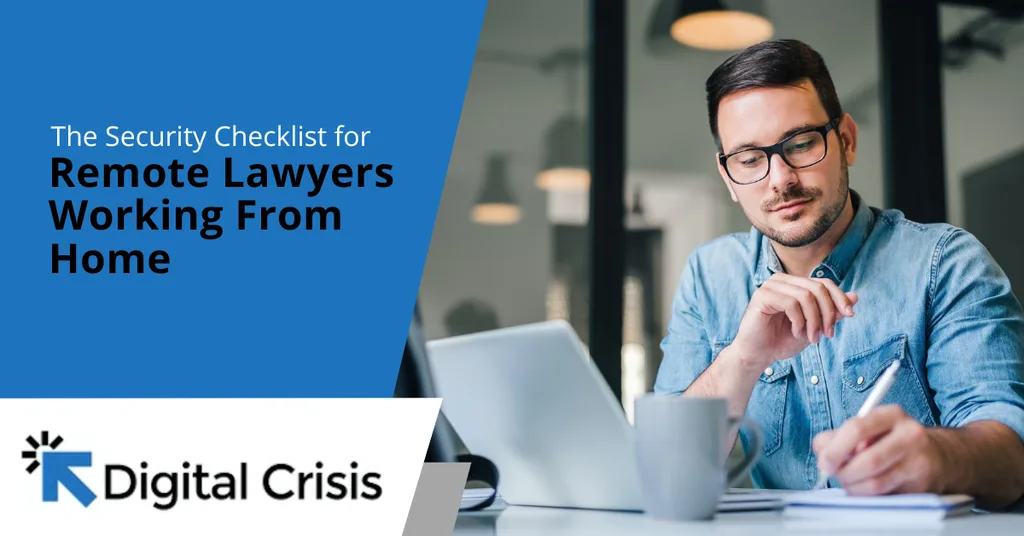
 The Security Checklist for Remote Lawyers Working From Home


Article summary: Remote work can put client information on home networks alongside personal devices and other connected technology. A security checklist for remote lawyers helps firms secure home networks, keep client work on managed devices, and protect remote connections. These safeguards give attorneys the flexibility to work remotely while reducing risks to client information and firm systems.
Picture an associate reviewing a settlement agreement at the kitchen table. A teenager’s gaming console shares the same Wi-Fi. A smart speaker sits on the counter, waiting for its wake word.
Nothing about that scene feels particularly dangerous. That is exactly the problem.
Remote work gives law firms flexibility, but it also moves client data beyond the networks and devices the firm directly controls. Strong network security at the office is important, but it cannot protect every home-office connection.
That is why firms need a practical security checklist for remote lawyers that attorneys and staff can actually follow.
Why the Home Office Is an Easy Target
A home network may not have the same security controls or IT oversight as the network at the office. Outdated routers, weak Wi-Fi settings, and poorly secured connected devices can create unnecessary risk.
The NSA’s guide to securing home networks recommends steps such as using WPA3 or WPA2 security, changing default settings, keeping devices updated, and separating less-trusted devices from sensitive ones.
Law firm policies do not always keep pace with remote work either.
The ABA’s 2023 Cybersecurity TechReport found that only 50% of respondents reported having a policy governing remote access.
A clear remote-work security policy gives attorneys and staff consistent rules for accessing firm systems and protecting client information outside the office.
The Remote Work Security Checklist
Use this remote work security checklist as a baseline for your firm. Each step addresses a common risk that comes with working outside the office.
Lock Down the Home Network
Change the router’s default administrator credentials, use WPA3 or WPA2 security, and keep the router’s firmware updated.
Separate smart TVs, gaming consoles, and other connected devices from work devices when possible. Our guide to the NSA’s home network best practices explains how.
Keep Firm Work on Firm Devices
Client work should stay on firm-managed devices whenever possible. These devices can be centrally updated, encrypted, monitored, and secured according to firm policy.
Avoid mixing personal and work activities on the same device, especially when handling confidential client information.
Connect to Firm Systems Securely
ABA Formal Opinion 498 identifies secure Wi-Fi, VPNs or other secure portals, encryption, security updates, and multi-factor authentication as safeguards lawyers should consider when practicing virtually.
Keep client files in firm-approved storage rather than saving them locally whenever possible. If your team is unsure where files belong, our guide to OneDrive versus SharePoint can help.
Silence the Smart Speakers
Smart speakers and virtual assistants do not belong in confidential client conversations. Opinion 498 advises lawyers to disable the listening capability of these devices unless they are being used to assist with the practice.
The Texas Lawyers’ Insurance Exchange also recommends clear policies for personal devices, clean desks, and clean screens when attorneys work remotely.
Secure Your Video Meetings
Use firm-approved meeting platforms and appropriate access controls for client calls. Make sure conversations cannot be overheard and check what your camera can see before joining.
A closed door and a clean background can prevent confidential conversations, case notes, or documents from being exposed.
Protect the Physical Workspace
Lock your screen whenever you step away and keep confidential documents out of view of family members, visitors, and others in the home.
Printed client information should be stored securely and shredded when it is no longer needed.
Verify Payment Requests
Remote work can make unusual financial requests harder to verify in person. Before sending money or changing payment instructions, confirm the request through a trusted communication method using contact information you already have.
The FBI’s 2025 Internet Crime Report recorded more than $3 billion in reported losses from business email compromise, making independent verification an important safeguard against fraudulent payment requests.
Why Checklists Fail Without Follow-Through
A security checklist for remote lawyers only works when someone makes sure the rules are followed.
ABA Formal Opinion 498 reminds supervising lawyers of their responsibilities to ensure that lawyers and nonlawyer staff are appropriately supervised when working virtually.
That can become difficult across 20 or 30 home offices. Updates get delayed, personal devices find their way back into use, and new employees may not understand the firm’s remote-work requirements.
Clear policies, centralized device management, and ongoing oversight help keep those gaps from becoming security problems. With the right controls in place, firms can give attorneys the flexibility to work remotely without leaving client information unnecessarily exposed.
Is Every Home Office in Your Firm Covered?
Remote and hybrid work give attorneys more flexibility, but they also require security that extends beyond the firm’s physical office.
Digital Crisis helps Texas law firms put practical remote-work protections in place. From securing firm-managed devices to supporting safe remote access, we help protect the technology attorneys rely on wherever they work.
Call (713) 965-7200 or contact Digital Crisis online to schedule a consultation.
Article FAQs
Is it safe for lawyers to work from home?
Yes, as long as the firm takes reasonable steps to protect client information. That means a secured home network and firm-managed devices. It also means secure remote access and a private place to work.
Do lawyers need a VPN to work remotely?
ABA Formal Opinion 498 lists a VPN or another secure portal among reasonable safeguards for virtual practice. The right option depends on how your firm’s systems are set up.
Should lawyers turn off smart speakers when working from home?
Yes. Opinion 498 advises disabling listening devices during client conversations unless the technology is actually helping with the legal work.